The Role of Music in Community Engagement
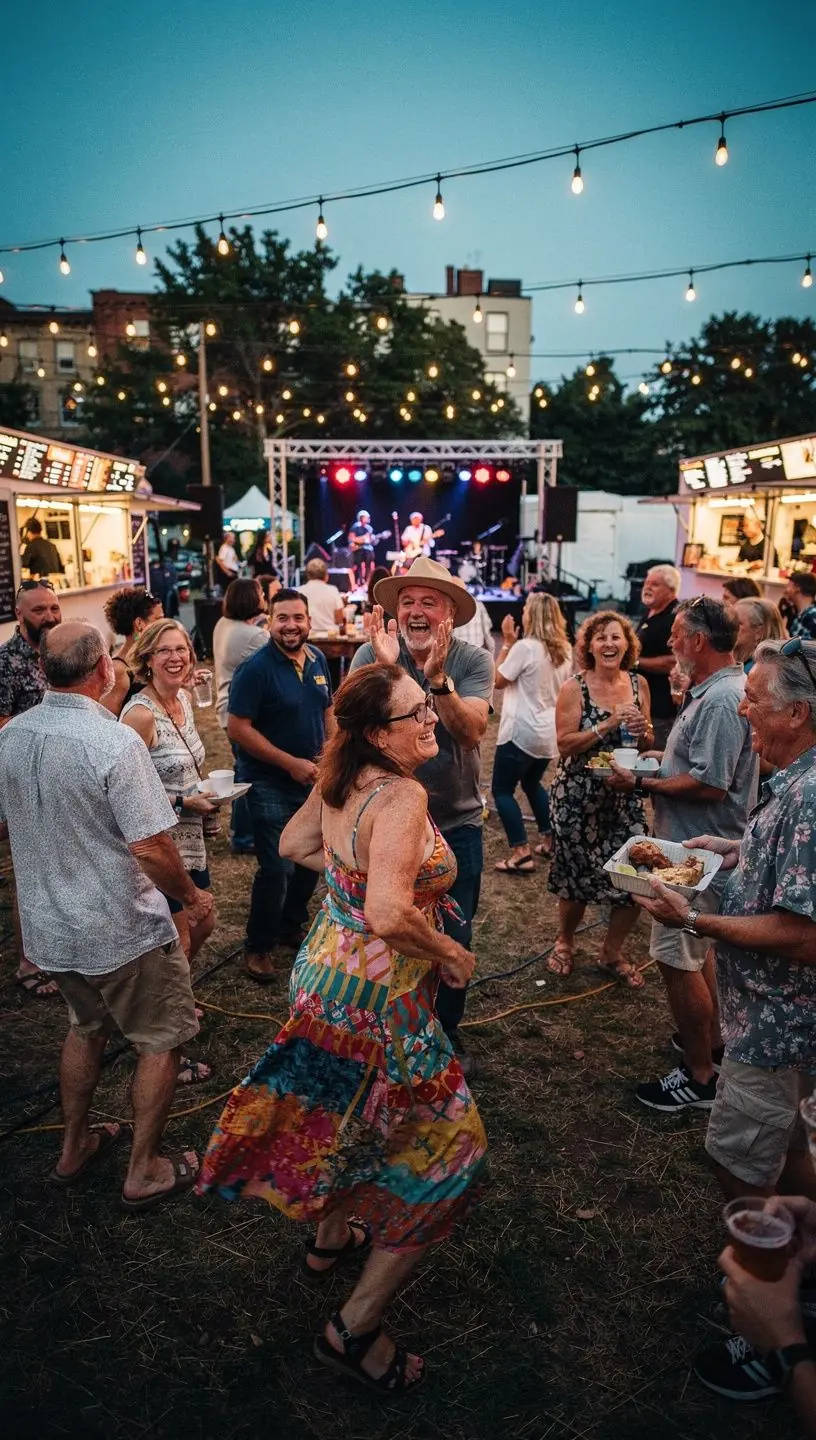
Music is more than just entertainment; it serves as a vital tool for fostering community engagement. From local festivals to neighborhood gatherings, music plays a significant role in bringing people together, enhancing social bonds and creating memorable experiences. This article explores how music can engage communities effectively.
Understanding the Basics of Community Engagement
Community engagement typically refers to the process of involving community members in decision-making and fostering a sense of belonging. According to the National Endowment for the Arts, community engagement can lead to higher levels of social cohesion and individual well-being. Music, as a universal language, often serves as a catalyst for such engagement.
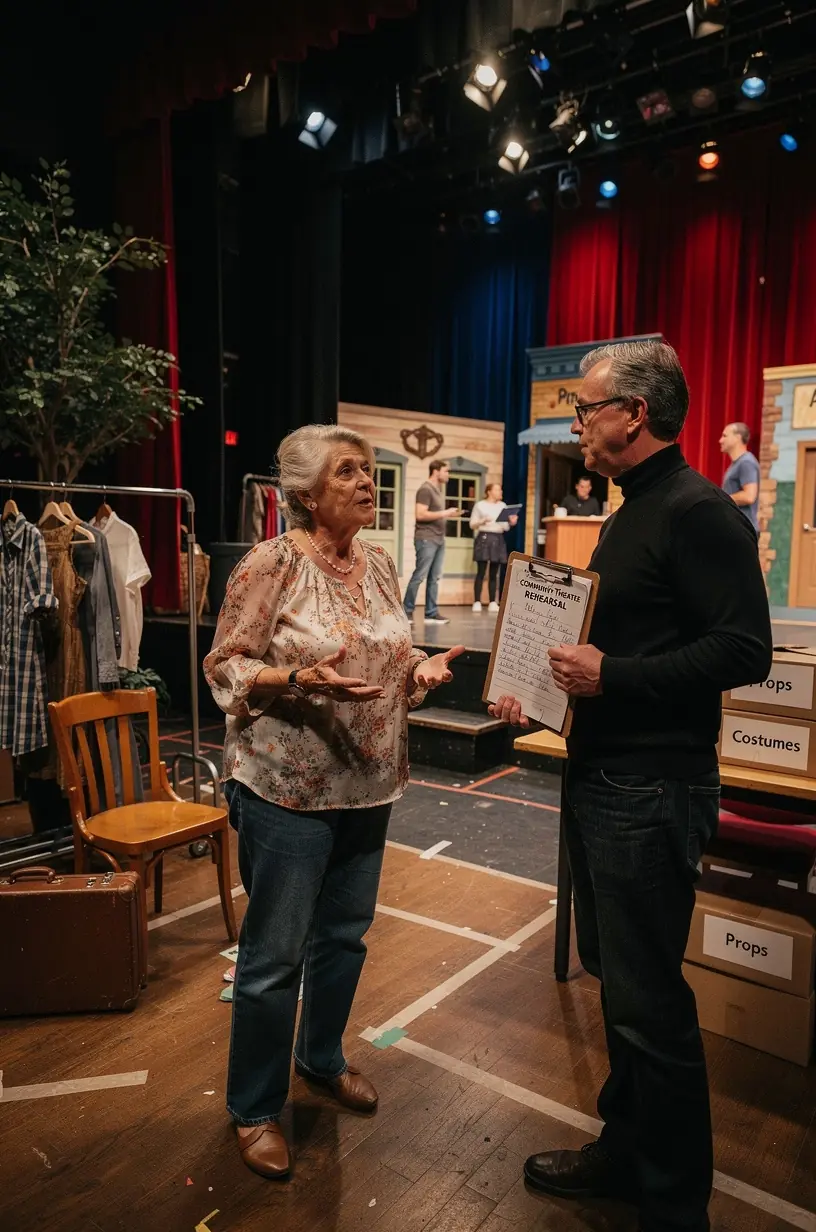
"Music has the power to unite people, often transcending barriers of age, culture, and background." - Community Engagement Expert
How Music Facilitates Community Engagement
Experts recommend several ways music can enhance community engagement:
- Creating Shared Experiences: Community events featuring music can attract diverse groups, fostering connections among attendees. Research indicates that shared experiences improve interpersonal relationships.
- Encouraging Participation: Live music performances can motivate community members to participate in events. A study from the Journal of Community Psychology found that participation in musical activities often leads to a stronger sense of community.
- Building Cultural Identity: Music is often tied to cultural heritage. Local music events can celebrate and preserve cultural identities, making them essential in diverse communities. This is crucial as many users report that recognition of cultural identity strengthens community bonds.
Challenges and Considerations
While music can enhance community engagement, it is important to acknowledge some limitations:
- Time and Effort: Organizing music events requires considerable planning and commitment. Typically, this process takes several weeks to ensure all logistics are in place.
- Inclusivity: Not all musical genres resonate with every community member. It’s essential to consider the preferences of diverse groups to ensure broad appeal.
- Funding and Resources: Financial constraints can limit the scope of music programs. Communities must often seek grants or sponsorships to support music initiatives.
Conclusion
Music serves as a powerful medium for community engagement, capable of fostering connections, celebrating diversity, and enhancing social cohesion. By organizing music-related activities, communities can create vibrant social landscapes that cater to various interests. However, realistic expectations regarding time, resources, and inclusivity are crucial for successful implementation. As communities embrace music, they can cultivate enriched environments that promote long-lasting relationships and shared cultural experiences.