How Local History Shapes Community Entertainment
Understanding the intersection of local history and community entertainment offers valuable insights into how cultural legacies influence contemporary activities. This article explores the intricate relationship between a community's past and its entertainment landscape, aiming to educate readers about the significance of historical context in shaping local events and experiences.
Exploring the Historical Context
Local history plays a pivotal role in shaping community entertainment. According to experts in cultural studies, communities often draw on their historical narratives to create engaging events that resonate with their residents. For instance, towns that celebrate their founding days with festivals or reenactments not only honor their heritage but also foster a sense of belonging and identity among participants.

"Communities that integrate history into their entertainment are likely to enhance civic pride and engagement." - Cultural Studies Expert
The Role of Historical Events in Shaping Contemporary Practices
Many communities have successfully created entertainment options that reflect their unique histories. For example, local museums often host events that educate visitors about significant historical events in the area. These activities can range from guided tours to interactive exhibits, providing both entertainment and education. Research indicates that these experiences foster an appreciation for local history and encourage community participation.
Types of Historical Entertainment
- Historical Reenactments: Often organized by local historical societies, these events allow participants to step back in time and experience life as it was during significant historical periods.
- Cultural Festivals: Events that celebrate a community’s heritage, such as food festivals or music events, often incorporate historical elements that attract both locals and tourists.
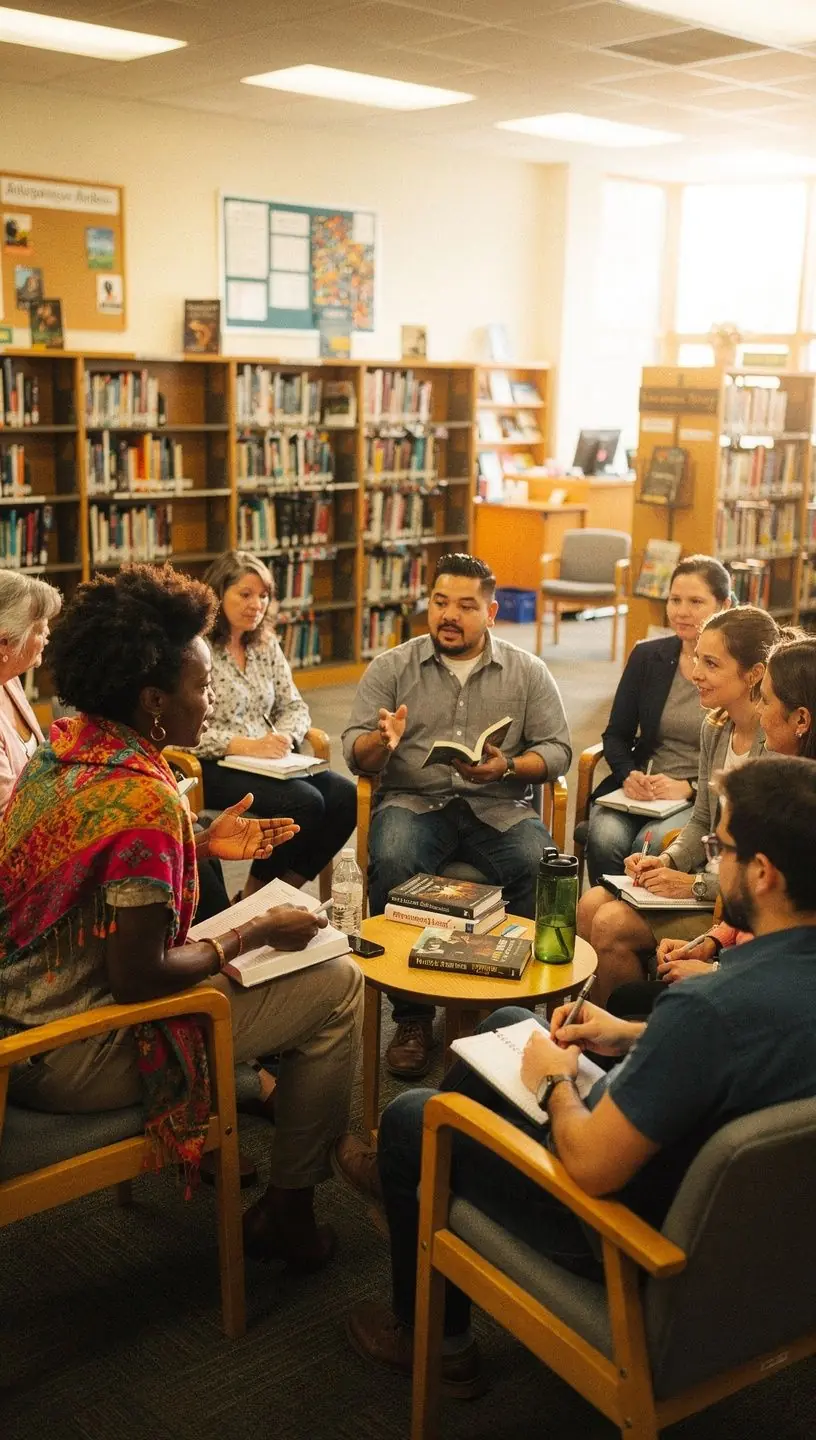
- Educational Programs: Workshops and lectures hosted by local historians can engage the community in discussions about their past, enhancing both knowledge and entertainment.
Practical Steps for Communities
For communities looking to enhance their entertainment offerings through local history, several steps can be taken:
- Research Local History: Understanding the key historical events and figures in a community’s past lays the groundwork for developing relevant entertainment options.
- Engage Local Stakeholders: Collaboration with historians, local businesses, and community groups can help in creating diverse programming that reflects the interests of the community.
- Promote Inclusivity: Ensure that the entertainment options appeal to a wide range of demographics, considering the diverse backgrounds within the community. This may involve tailoring events to highlight different aspects of local history that resonate with various groups.
Conclusion
Integrating local history into community entertainment can significantly enhance cultural engagement and pride. By acknowledging the past and celebrating it through various events, communities can create a vibrant entertainment landscape that is both enjoyable and educational. As communities consider their entertainment options, the rich tapestry of local history provides a strong foundation for innovative and inclusive programming that can benefit residents and visitors alike.